
Find your degree
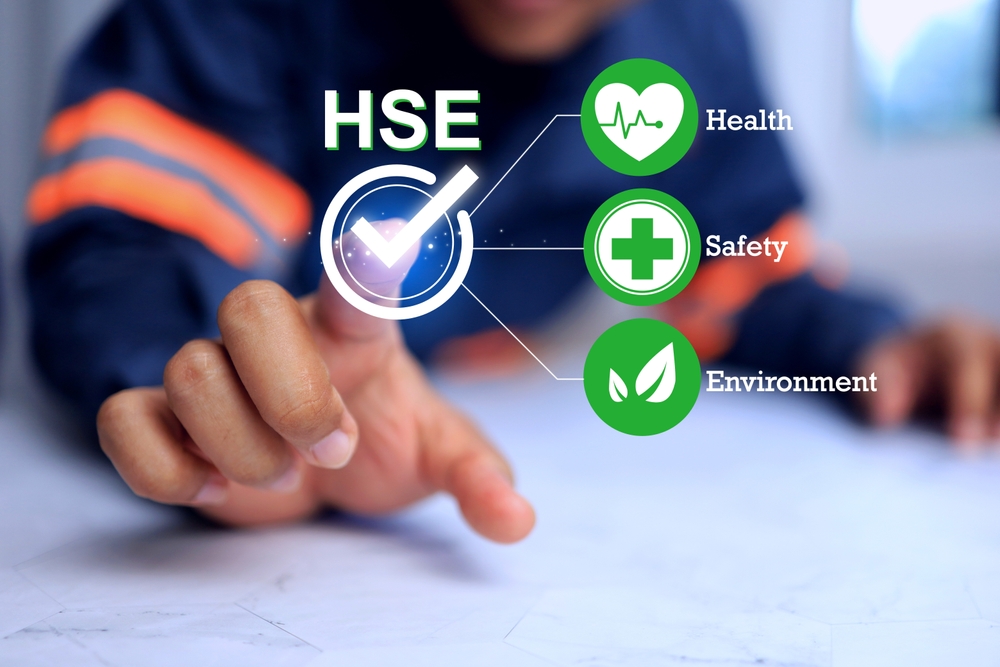
Environment, Health, and Safety (EHS) is all about protecting people and keeping workplaces safe, while also caring for the environment. It’s becoming a bigger priority across industries. As more organizations and communities focus on safety and responsible practices, the demand for EHS professionals keeps rising.
In 2025, the EHS market was valued at USD 8.64 billion. That number is expected to rise to USD 9.31 billion in 2026 and reach USD 16.88 billion by 2034. Overall, the market is growing at a 7.72% CAGR, showing just how important EHS has become.
If you want a career in EHS, getting certified before you graduate is a great way to stand out. Environmental health and safety certifications show employers you understand safety and environmental basics and are ready for real-world work. Some are for beginners, while others help you grow in your career.
Related:
- Environmental Science Certifications for Undergraduates
- Careers with a Masters in Public Health
- Top Emerging Degree Programs in 2026: What Students Need to Know
- Marine and Aquatic Science Certifications for Undergraduate
What Is Environmental Health and Safety (EHS)?
Environmental Health and Safety is a wide field focused on protecting people and the planet. It uses knowledge from different areas to lower risks to health and the environment. EHS work includes:
- Protecting people: EHS helps keep employees, customers, and communities safe by reducing workplace hazards and health risks.
- Meeting regulations: Companies must follow strict safety and environmental laws, and strong EHS programs help avoid fines and legal issues.
- Lowering risk and costs: Fewer accidents mean lower liability, insurance costs, and workers’ compensation claims.
- Building trust: Organizations that prioritize safety and sustainability earn more trust from customers, investors, and stakeholders.
- Improving efficiency: Smarter environmental and safety practices lead to cost savings through reduced waste and energy use.
- Keeping operations running: Good EHS systems help prevent disruptions caused by accidents or compliance failures.
- Supporting sustainability: EHS promotes responsible resource use and reduces environmental impact for a more sustainable future.
Industries that hire EHS professionals include:
- Manufacturing
- Construction
- Healthcare
- Energy
- Government agencies
- Consulting companies
- Nonprofit organizations
Why Certifications Matter for EHS Careers (Especially for Students)
For students interested in EHS, certifications mean more than just a piece of paper. In fact, many entry-level environmental health and safety certifications are designed for students.
Employers value them because they show you have knowledge, are committed, and are ready to work. Certifications tell hiring managers you understand the rules, protect people, and help reduce risk, even before you finish your degree.
EHS certifications for students are designed to let students:
- Learn safety skills employers care about
- Show they are serious about their careers
- Get a competitive edge for internships and first jobs
- Build credentials that stack toward advanced certifications later
Best Environmental Health & Safety Certifications for Undergraduate Students
Below are some top environmental health and safety certifications to consider, ranging from beginner to advanced professional options.
Certified Safety Professional (CSP®) — Long-Term Goal Certification
Students can prepare for the CSP certification requirements by becoming familiar with the key topics early and starting to work toward the required steps while still in school or gaining relevant experience.
- Issued by: Board of Certified Safety Professionals (BCSP)
- Focus:
- Advanced safety knowledge
- Risk management
- Compliance
- Hazard control
- Safety leadership
- Student Relevance: Highly respected but not directly available to students yet.
- Typical Requirements: Bachelor’s degree, safety experience, and a qualifying credential (like ASP).
- Why It Matters: CSP is widely known as the “gold standard” in safety credentials and often leads to higher‑level positions.
Associate Safety Professional (ASP®) — Best Early-Career Safety Certification
This certification shows employers you understand safety principles and are ready to start your career.
- Issued by: Board of Certified Safety Professionals (BCSP)
- Focus:
- Safety fundamentals
- hazard recognition
- Risk control
- Safety planning
- Eligibility: Students nearing the end of a bachelor’s degree (or recently graduated), and sometimes with minimal experience.
- Why It’s Great: The ASP is a respected credential that helps you get safety jobs and prepares you for the CSP in the future.
- Best For: Juniors and seniors, especially those majoring in occupational safety, environmental science, or engineering.
Registered Environmental Health Specialist / Sanitarian (REHS/RS)
REHS/RS is one of the best environmental health and safety certifications for students interested in environmental monitoring, public safety, or working in local health departments.
- Offered by: National Environmental Health Association (NEHA)
- Focus:
- Environmental health topics
- Water quality
- Food safety
- Air pollution
- Waste management
- Emergency response
- Undergraduate Pathway: Students in environmental health, public health, or biology can prepare by meeting the required coursework and applying after graduation.
- Where It Helps: Government jobs, public health departments, and environmental compliance careers.
- Why It’s Valuable: REHS/RS shows competency in public health and environmental inspections, and it’s recognized in many states.
OSHA Safety Certifications (OSHA 10 & OSHA 30)
OSHA 10 and OSHA 30 are occupational safety certifications. These are great starting points that give you basic safety knowledge.
- Organized by: Occupational Safety and Health Administration (OSHA)
- Focus: Training in workplace hazard awareness and prevention.
- OSHA 10: 10 hours of safety basics
- OSHA 30: 30 hours of in‑depth safety training
- Why Undergrads Like Them: They are quick to complete, affordable, and well recognized by employers.
- Best For: Applying for internships, working in construction or manufacturing, or taking on safety-related tasks.
- Important Note: While OSHA Outreach courses don’t count as advanced professional certification, they’re highly useful basic credentials.
Hazardous Materials & Environmental Compliance Certifications
Some environmental health certifications undergraduate programs teach specific technical skills, especially in hazardous materials and environmental rules. Examples include:
- HAZWOPER (Hazardous Waste Operations and Emergency Response, 40-hour): Focuses on handling hazardous materials safely.
- Environmental Compliance Certificates: Cover laws and regulations for air, water, and waste management.
These certifications are great for students interested in fieldwork, environmental monitoring, or compliance jobs.
Certifications by Career Path (Quick Match Guide)
Here’s an easy way to match EHS career certifications with your interests:
| Career Path | Recommended Certifications |
| Workplace Safety & Risk Management | OSHA 30, ASP → CSP |
| Environmental Health & Public Safety | REHS/RS, environmental compliance |
| Industrial & Hazardous Environments | HAZWOPER, OSHA training |
| Corporate & Policy / Compliance | ASP, environmental management certificates |
How Undergraduates Can Prepare for EHS Certifications
You can prepare for environmental safety certification programs by:
- Choosing aligned majors: Environmental science, occupational safety, public health, or engineering.
- Gaining experience: Internships, lab work, field studies, and volunteering.
- Joining organizations: Student clubs or safety professional associations provide networking and learning opportunities.
- Starting early: Begin with OSHA certifications before moving on to advanced ones like ASP, REHS, or environmental compliance certificates.
Online vs In-Person Certification Options
Most basic environmental safety certifications for college students are available online. OSHA courses and many compliance certificates can be completed at your own pace.
Benefits of Online Options:
- Flexible scheduling
- Lower costs
- Self‑paced learning
When In‑Person Might Be Best:
- Hands‑on skill certifications
- Hazardous materials or emergency drills
- Technical labs or field safety training
Job Outlook for Environmental Health & Safety Careers (2026+)
EHS careers are growing strong. The market is expected to reach USD 16.88 billion by 2034, growing at a 7.72% CAGR. At the same time, the U.S. Bureau of Labor Statistics projects that environmental health and safety career paths and employment will grow 12% by 2034.
Drivers of demand include:
- Stricter workplace safety regulations
- Environmental compliance requirements
- Focus on climate risk and sustainability
- Higher emphasis on public health protection
Obtaining a registered environmental health specialist certification can help you get higher starting salaries and move up faster into leadership roles. Many EHS careers are expected to grow faster than average over the next decade.
Frequently Asked Questions (High-SEO Section)
Can undergraduate students earn EHS certifications?
Yes, many entry-level certifications like OSHA 10 and 30 are student-friendly, and early professional paths like ASP can be reached near graduation.
Is CSP certification available to students?
Not immediately. You need a bachelor’s degree and some work experience first. However, you can start working toward the CSP by earning the ASP and other credentials.
Are EHS certifications worth it before graduation?
Yes, especially for internships, early jobs, and building real skills and confidence.
Do certifications replace a degree?
No, but certifications make your resume stronger when combined with your education.
Are online EHS certifications respected?
Yes, if issued by recognized organizations such as OSHA providers, BCSP, or NEHA.
Final Thoughts — Building an EHS Career Starts Early
Getting certifications while still in school helps students:
- Stand out in a crowded job market.
- Gain real, practical knowledge.
- Show commitment to safety and environmental welfare.
Starting with basic credentials and working toward advanced certifications gives you flexibility and direction. Early credentials can lead to better job offers, more career choices, and long-term growth in the important field of Environmental Health and Safety.