
Find your degree
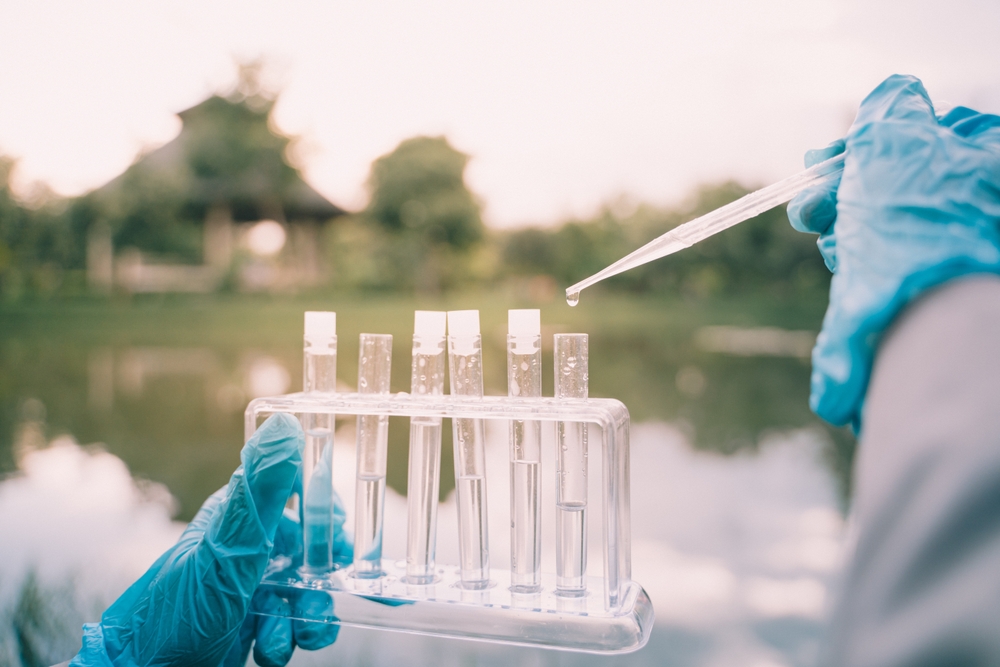
Oceans, lakes, rivers, and wetlands are in trouble. Pollution, overfishing, and climate change are harming these water systems. Animals lose their homes, water quality drops, and people are affected, too.
Marine and aquatic scientists study these problems. They work to protect habitats, monitor water, and manage resources. Their efforts are important not just for nature, but for humans as well.
Because this work often happens in the field or in labs, simply having a college degree may not be enough. Employers and research programs increasingly look for certifications that show students can perform tasks safely and professionally.
For undergraduates, these certifications are especially valuable. They help students:
- Gain practical, job-ready skills.
- Stand out for internships, research positions, and fieldwork.
- Prepare for graduate studies or early careers with real-world experience.
This guide will introduce the most important aquatic and marine science certifications, explain what they involve, and help students decide which ones are worth pursuing.
Related:
- Environmental Science Certifications for Undergraduates
- Sustainability Certifications for Undergraduate Students
- Top Emerging Degree Programs in 2026: What Students Need to Know
- Affordable Grad School
What Are Marine and Aquatic Science Careers?
Marine and aquatic science is broad. It includes research, conservation, and applied work that focuses on water environments.
Here are some common areas of work:
- Marine Biology
- Study of ocean animals, plants, and ecosystems.
- Oceanography
- Science of how the ocean works, its physical, chemical, and biological processes.
- Aquatic Ecology
- Study of how plants and animals interact with freshwater and marine environments.
- Fisheries & Wildlife Science
- Work with fish and wildlife populations, especially for sustainable use and conservation.
- Coastal & Marine Conservation
- Protecting habitats like coral reefs, mangroves, estuaries, and wetlands.
Typical employers include:
- Government agencies (NOAA, EPA, state departments)
- Environmental nonprofits
- Research institutions and university labs
- Aquaculture and fisheries industries
- Consulting and environmental monitoring firms
Why Certifications Matter in Marine & Aquatic Sciences
Oceans, rivers, and wetlands are delicate systems. Even small mistakes, like improper chemical handling or fieldwork errors, can harm multiple organisms in the ecosystem. This is why even entry-level roles are competitive.
Aquatic and marine science certifications help candidates stand out by demonstrating:
- Technical and safety competence: showing you can perform specialized tasks safely and effectively.
- Field readiness: proving you are prepared for hands-on, outdoor work.
- Commitment to conservation and scientific standards: highlighting dedication to best practices in research and environmental stewardship.
Certifications are especially valuable for undergraduates because:
- Degrees can be broad: coursework may cover a wide range of topics without deep specialization.
- Early specialization: certifications signal focused skills and expertise, giving students an edge in the job market.
Top Marine and Aquatic Science Certifications for Undergraduates
Certified Marine Scientist (CMS)
In 2021, the Marine Technology Society (MTS) partnered with the Society for Underwater Technology (SUT) to launch a professional certification program for marine technologists and marine scientists. The program is licensed by the Institute of Marine Engineering, Science, and Technology (IMarEST). The certified marine scientist CMS gives professionals international recognition and professional credibility.
The program includes:
- Chartered Marine Technologist (CMarTech)
- Registered Marine Technologist (RMarTech)
- Marine Technician (MarTech)
- Chartered Marine Scientist (CMarSci)
- Registered Marine Scientist (RMarSci)
Skills covered:
- Applied marine science and technology
- Technical and scientific problem-solving
- Project planning and risk management
- Data collection and analysis
- Professional ethics, safety, and leadership
This program, however, is not available for undergraduates. It requires demonstrated professional experience and competency beyond academic coursework. Despite this, it is included in the list because it represents an important long-term goal for students pursuing marine and aquatic science careers.
Aquatic Resource Professional (ARP)
One of the most relevant aquatic science certifications is the American Fisheries Society (AFS) Certification Program, which offers:
- Associate Fisheries Professional (FP-A) for early-career professionals
- Certified Fisheries Professional (FP-C) for experienced practitioners
Focus areas:
- Fisheries science
- Aquatic resource management
- Conservation
The aquatic resource professional ARP is typically pursued after graduation. Still, they are included here because they help undergraduates understand professional standards and prepare early through coursework, internships, and field experience.
Best for:
- Fisheries science students
- Wildlife and natural resource majors
Employers value ARP for:
- Field management roles
- Conservation agencies
- Long-term credentials with early preparation benefits
Scientific Diving & Field Safety Certifications
One of the most important certifications for hands-on aquatic research is the Scientific Diving & Field Safety Certifications. These certifications for marine biology students provide training and recognition for safe underwater work.
Examples:
- AAUS Scientific Diving: Recognized by the American Academy of Underwater Sciences. This includes training in:
- Dive Planning
- Underwater Research Methods
- Safety Protocols
- Dive Planning
- Dive Safety Certifications, such as
- PADI Scientific Diver Certification
- NAUI Research Diver Certification University-led Scientific Diving Programs
- Commercial Scientific Diving Training
- PADI Scientific Diver Certification
Focus areas:
- Safe underwater research practices
- Data collection integrity
- Field and dive safety protocols
Why they matter:
- Required for underwater research
- Emphasize safety and data integrity
Best for:
- Marine research
- Coral reef studies
- Underwater ecology
GIS & Remote Sensing Certifications for Aquatic Science
Today, marine and aquatic scientists often use maps and spatial tools to study environments. GIS & Remote Sensing Certifications provide training in these technologies. These certifications are important in:
- Coastal planning
- Habitat mapping
- Climate impact modeling
Skills covered:
- GIS software
- Environmental mapping
Popular GIS & Remote Sensing Certifications:
- Esri ArcGIS Certification: Industry-recognized training in ArcGIS and spatial analysis.
- QGIS Certification: Open-source GIS software for mapping and data visualization.
- University Remote Sensing Programs: These include UC Davis and the University of New Hampshire, as well as satellite imagery, drone mapping, and environmental monitoring.
- Online Certificates: Courses via Coursera, EdX, or Esri Academy for aquatic-focused GIS skills.
Best for:
- Data-driven marine and aquatic science careers
- Environmental consulting
- Habitat and conservation planning
Water Quality & Environmental Monitoring Certifications
Water quality monitoring involves testing water for pollutants, nutrients, and vital ecological indicators. They are among the most vital aquatic and marine conservation certifications.
Certificates in water quality teach:
- Field sampling techniques
- How to use measurement instruments
- Data analysis and reporting
Best for:
- Environmental consulting
- Government monitoring roles
- Research in freshwater and marine ecology
They give students hands-on experience that connects classroom learning to real‑world science.
Certifications by Career Path (Quick Match Guide)
Marine Research & Biology
- Certified Marine Scientist (CMS)
- Scientific Diving & Field Safety Certifications
- GIS & Remote Sensing Certifications
Fisheries & Wildlife Management
- Aquatic Resource Professional (ARP) / FP-A
- FP-C (post-graduation)
- Fisheries and Aquatic Science Certification
Conservation & Environmental Monitoring
- Water Quality & Environmental Monitoring Certifications
- GIS & Remote Sensing Certifications
Coral Reef & Underwater Ecology
- Scientific Diving & Field Safety Certifications
- CMS (future goal)
Data-Driven Marine Science & Environmental Careers
- GIS & Remote Sensing Certifications
- Water Quality & Environmental Monitoring Certifications
Graduate School Preparation
- CMS + research internships
- Scientific Diving & Field Safety Certifications
How Undergraduates Can Prepare for These Certifications
To be ready for certifications, undergraduates should:
Choose relevant majors, like:
- Marine Biology
- Aquatic Science
- Environmental Science
- Biology
- Oceanography
Gain field experience through:
- Field labs
- Research assistantships
- Internships at aquariums, marine labs, or conservation groups
Take complementary courses:
- Statistics and data science
- Field methods
- Environmental policy basics
Such preparation makes you both confident and competitive.
Online vs Field-Based Certification Options
Some aquatic and marine science credentials for undergraduates involve theory that you can learn online (like GIS or environmental monitoring basics). Others require fieldwork (like scuba or scientific diving).
Online options are great for:
- Foundational knowledge
- Data skills
- Environmental theory
Field‑based options teach:
- Hands‑on techniques
- Safety procedures
- Real‑world practice
Most students benefit from a mix of both.
Marine & Aquatic Science Job Outlook (2026 and Beyond)
The need to fill marine and aquatic science careers is growing, driven by:
- Climate resilience planning
- Marine conservation funding
- Sustainable fisheries management
Job growth and prospects, however, vary by path:
- Environmental Scientists & Oceanographers are projected to grow 6% with median salaries around $80,000
- Marine Engineers & Naval Architects also 6%, earning about $105,670
- Marine Biologists & Wildlife Biologists 2%, with median salaries near $72,860.
With a combination of a strong degree and aquatic and marine biology career certifications, students are more likely to:
- Secure field placements
- Access grant‑funded research roles
- Begin careers as:
- Marine Technicians
- Aquatic Ecologists
- Environmental Analysts
Frequently Asked Questions
Can undergraduates earn marine science certifications?
Yes, many certifications are designed for early-career or entry-level professionals.
Is the Certified Marine Scientist credential available to students?
Some preparatory or associate-level options are available, with full certification earned after experience.
Are aquatic science certifications required for jobs?
Not always, but they greatly improve competitiveness.
Are field certifications better than online ones?
Field certifications are essential for hands-on roles; online credentials complement them.
Do certifications help with marine science graduate school applications?
Yes, they demonstrate applied experience and commitment.
Final Thoughts — Building a Marine or Aquatic Science Career Early
Aquatic and marine science certifications are proof of your practical skills, your readiness to work in real aquatic environments, and your commitment to rigorous scientific practice.
For undergraduates:
- Certifications help you learn by doing
- They make your resume stand out
- They set you up for better internships and research opportunities
Whether you’re helping with coral reef surveys, mapping coastal habitats, monitoring water quality, or analyzing data, a certification can be a step toward your dream career.
Start early, explore your interests, and use certifications to guide your path into real science in the real world.