
Find your degree
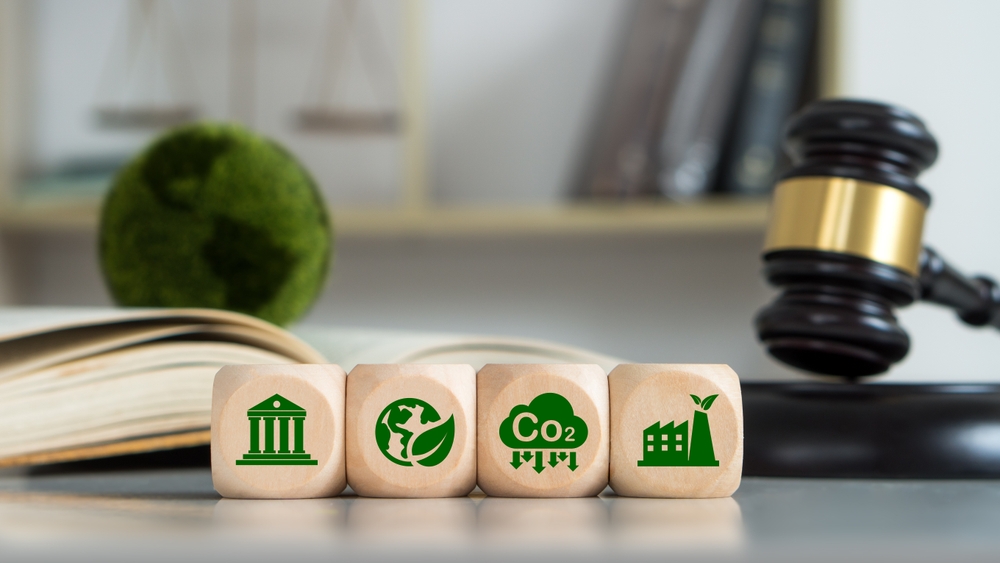
Environmental policy brings together science, law, economics, and government to influence real-world results. And over the past 50 years, it has changed a lot.
Environmental policy used to focus mainly on reacting to local pollution and protecting public health. Today, it plays a big role in guiding how countries grow and use resources. It now deals with major global problems like:
- climate change
- loss of wildlife
- limited natural resources
- environmental issues that affect more than one country
For undergraduates, especially those still exploring their options in environmental studies, environmental policy certifications are more than just badges. They show a student’s:
- Commitment to environmental policy
- Specialized knowledge
- Practical skills
- Readiness for graduate programs
Related:
- Environmental Health and Safety Certifications for Undergraduate Students
- Environmental Science Certifications for Undergraduates
- Marine and Aquatic Science Certifications for Undergraduate
- Sustainability Certifications for Undergraduate Students
What Is Environmental Policy?
Environmental policy is about how societies manage environmental issues. It involves more than just laws; it also includes understanding:
- the science of environmental change
- the economics of using resources
- how policies are put into action
Here’s how the field typically breaks down:
Key Focus Areas
- Climate Policy: Strategies to reduce emissions, adapt to climate change, and implement international agreements.
- Land Use and Urban Planning: How cities grow, how land is protected or developed, and how environmental challenges are integrated into planning.
- Environmental Law and Regulation: The rules that protect air, water, and land, and how they’re applied.
- Natural Resource Management: Decisions about forests, water supplies, fisheries, and energy.
- Environmental Justice: Ensuring fair treatment and involvement of all communities in environmental decisions.
Common Employers
Environmental policy professionals find roles in many places:
- Government agencies
- Planning departments
- Nonprofits and NGOs
- Consulting firms
- International organizations
Because of this variety, holders of environmental policy certifications can find careers in:
- public affairs
- planning
- advocacy
- research
- private-sector sustainability roles
Why Certifications Matter for Environmental Policy Careers
Environmental policy degrees are intentionally broad. Undergraduates study:
- Science
- Policy
- Economics
- Law
However, with so many possible career paths, it can be hard for employers or graduate programs to quickly see a student’s specific focus.
That’s where environmental policy certifications come in. Certifications demonstrate:
- Policy analysis skills: An analytical approach to policy creation and evaluation.
- Commitment to public service or sustainability: Showing professional seriousness.
- Niche interests: Like GIS, sustainability management, or regulatory affairs.
For those who have few years of work experience, certifications can make a résumé stand out. Certifications for environmental policy students help with:
- Internship competitiveness: This shows initiative before stepping into the workplace.
- Entry‑level analyst applications: This gives candidates an edge over peers.
- Graduate program admissions: This demonstrates clarity of focus (important for MPP, MPA, MURP, or JD programs).
Best Environmental Policy Certifications for Undergraduate Students
Here are some of the most relevant certifications for students interested in environmental policy careers. Some are basic, while others are long-term goals, but all are valuable when they match a student’s interests.
Environmental Policy and Law Certification
The environmental policy and law certification gives a student a solid grounding in key environmental laws and policy frameworks. Topics often include:
- Foundational environmental statutes like:
- NEPAThe Clean Air Act
- Clean Water Act
- Regulatory compliance basics
- Policy analysis frameworks
Many formal environmental law certificates are for graduate students. Still, there are also micro-credentials, online courses, and short programs that offer certificates after completion. These options are becoming more common and are available to undergraduates who want to learn more.
Best for:
- Students who want to work in environmental law or regulatory affairs
- Policy analysts focused on government or environmental compliance
Certified Environmental Planner (CEP)
Organizations like the American Institute of Certified Planners (AICP) offer the Certified Environmental Planner credential. This certification focuses on:
- land use policy
- environmental planning
- building sustainable communities
Students usually can’t earn the full certified environmental planner CEP right away (it often requires professional experience). However, undergraduate students can start preparing by:
- Choosing relevant coursework in planning and sustainability
- Seeking internships in city planning departments or NGOs
- Taking early planning certificates or college programs
This credential is a long‑term career goal for students focused on urban and environmental planning.
Best for:
- Urban planners
- Government or municipal policy careers
Sustainability & Environmental Management Certificates
Many universities and professional associations offer certificates in sustainability and environmental management. These programs focus on how policy connects with corporate and public sustainability practices and may include topics such as:
- Climate policy and carbon management
- Corporate sustainability strategies
- Environmental governance
- Stakeholder engagement in sustainability
Some well-known sustainability policy certifications include:
- Sustainability Excellence Associate (SEA): Designed for people new to sustainability careers and covers fundamental sustainability concepts.
- Certified Climate Change Professional (CC‑P): Offers a deeper credential that explores climate preparedness and strategic planning.
Best for:
- Students eyeing private‑sector or corporate sustainability roles
- Policy careers that intersect with environmental, social, and governance (ESG) issues
GIS & Data Certifications for Environmental Policy
Being able to analyze data and map environmental issues is a big advantage. Planners, policy analysts, and environmental consultants use Geographic Information Systems (GIS) tools to visualize:
- Land use patterns
- Climate impacts
- Resource distributions
Data certifications often cover:
- Spatial analysis
- GIS software
- Policy visualization techniques
Even a basic GIS certificate signals to employers that a student can translate policy issues into data‑driven insights. Many universities offer GIS certificates that are accessible to undergraduates.
Best for:
- Policy analysts
- Environmental planners
- Research‑intensive roles
Public Policy & Government Affairs Certificates
Public policy environmental certifications focus specifically on how public policy works, including:
- Legislative processes
- Public administration
- Policy advocacy
Students who pursue this route often strengthen their ability to:
- navigate policy windows
- understand how laws are made
- advocate for environmental issues
These certificates are often available through public policy schools or extension programs. It can prepare students well for roles in government agencies or NGOs.
Best for:
- Students interested in government policy, advocacy, or legislative roles
- NGO and nonprofit careers focusing on environmental policy
Certifications by Career Path (Quick Guide)
To help students choose, here is a quick guide matching environmental policy certifications with common career paths:
Environmental Law & Regulation
- Environmental Policy and Law certificates
- Compliance and regulatory certifications
Urban & Environmental Planning
- CEP preparation pathways
- GIS certifications
Climate & Sustainability Policy
- Sustainability and climate credentials (like SEA and CC‑P)
Public Sector & Advocacy
- Public policy and government affairs certificates
How Undergraduates Can Prepare for Environmental Policy Certifications
Environmental planning certifications alone do not guarantee student success. To get the most benefit, undergraduates should also:
- Choose relevant majors such as:
- environmental studiespolitical sciencepublic policygeography
- sustainability studies
- Build real‑world experience through internships with government agencies, environmental nonprofits, or research assistantships
- Complement certifications with coursework in writing, statistics, environmental law, and data analysis
Combining academic study with professional environmental policy credentials for undergraduates shows employers and graduate programs that a student is well-prepared.
Online vs In-Person Certification Options
Many environmental policy certifications today are offered in online formats. They are incredibly useful for busy undergraduate schedules. Online certificates are:
- Flexible
- Often more affordable
- Accessible regardless of location
On the other hand, in‑person programs (especially those offered by universities) give students opportunities for:
- Hands‑on learning
- Stronger networking
- Applied planning or policy experience
When choosing, students should look for:
- Recognized issuing organizations
- Alignment with career goals
- Potential stackability into graduate programs
Environmental Policy Job Outlook (2026 and Beyond)
The demand for environmental policy careers is quite high but very competitive. According to the U.S. Bureau of Labor Statistics:
- Environmental Scientists: Moderate growth (4%), strong prospects when combined with policy skills.
- Urban & Environmental Planners: 3% growth, 3,400 new jobs/year in the U.S.
- Policy Analysts: Slight decline (3%), more competitive.
Looking ahead to 2026 and beyond, several drivers of demand are clear:
- New climate legislation
- Infrastructure and urban redevelopment requirements
- Environmental justice initiatives
This means growing environmental planning career path across sectors, such as:
- Environmental policy analysts
- Urban and environmental planners
- Sustainability advisors
- Regulatory compliance specialists
Frequently Asked Questions
Can undergraduate students earn environmental policy certifications?
Yes. Many entry‑level and micro‑credential programs are accessible to undergraduates, especially online courses and foundational certificates.
Is the Certified Environmental Planner credential available to students?
Not immediately, but students can prepare early through coursework and internships.
Are environmental policy certifications worth it before graduate school?
Absolutely. They show focus, clarify career direction, and can make MPP, MPA, or JD applications stronger.
Do certifications replace an environmental policy degree?
No, but they emphasize specialization in the industry.
Are online environmental policy certifications respected?
Yes, when issued by recognized institutions or professional organizations.
Final Thoughts — Building an Environmental Policy Career Early
Certifications are more than paper credentials. For undergraduates in environmental policy, they help:
- Clarify career direction
- Gain applied policy skills
- Stand out in competitive fields
Early credentials can lead to:
- Better internships
- Stronger graduate school prospects
- Faster entry into policy and planning roles